
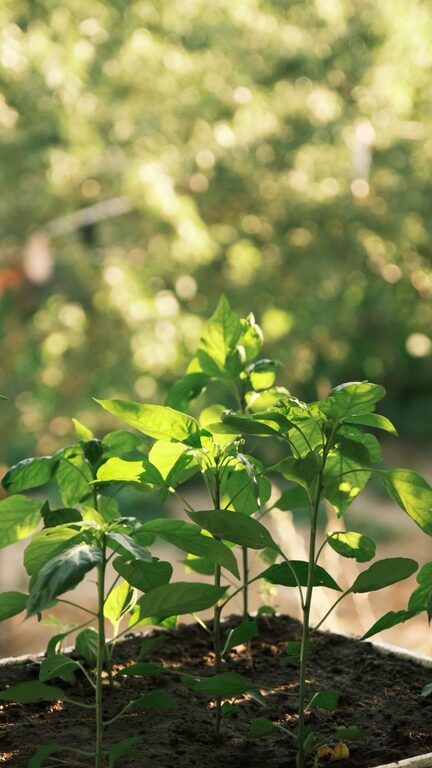
Creating a sustainable home garden is a rewarding way to connect with nature, reduce your environmental footprint, and enjoy fresh, homegrown produce or flowers all year. Whether you are new to gardening or looking to improve your existing space, adopting sustainable practices helps support healthy ecosystems and conserves resources. This guide offers tips to help you cultivate a thriving garden throughout every season while keeping sustainability front and center.
What Makes a Home Garden Sustainable?
A sustainable garden is one that minimizes environmental impact while maximizing health for plants, soil, and local wildlife. Key practices include using water efficiently, avoiding harmful chemicals, promoting biodiversity, managing waste, and selecting plants suited to your climate.
Planning Your Sustainable Garden
Choose the Right Location
Select a spot that gets adequate sunlight for your desired plants and has good drainage. Observe how the sun and shade move through different areas during the day and across seasons to plan your garden layout. Proximity to your kitchen or entrance can also make harvesting easier.
Design for Biodiversity
Incorporate a variety of native plants, shrubs, and trees to attract pollinators and beneficial insects. Including flowers that bloom at different times ensures food for wildlife all year. Consider layering plants vertically—tall trees, mid-size bushes, and groundcovers—to maximize space and habitat value.
Prepare Soil Naturally
Healthy soil is the foundation of a sustainable garden. Test your soil to understand its nutrients and pH levels. Enrich it with organic materials like compost, well-rotted manure, or leaf mold rather than synthetic fertilizers. Mulching with natural materials retains moisture, suppresses weeds, and adds nutrients as it breaks down.
Year-Round Care Tips
Spring: Start Smart
– Begin seeds indoors early to extend your growing season.
– Clean up garden beds by removing debris and old plant material.
– Add compost and mulch to prepare beds for planting.
– Plant early-season vegetables such as peas, lettuce, and spinach.
Summer: Water Wisely
– Water plants deeply but less frequently to encourage strong roots.
– Use drip irrigation or soaker hoses to reduce water waste.
– Mulch heavily to keep soil cool and moist.
– Harvest regularly to encourage continuous production.
Fall: Prepare for Recovery
– Plant cover crops like clover or rye to improve soil structure and prevent erosion.
– Collect fallen leaves to use as mulch or compost material.
– Prune perennial plants after they have finished blooming.
– Start planning crop rotation for the next season.
Winter: Do Not Neglect
– Use cold frames or row covers to protect tender plants.
– Maintain garden tools and sharpen blades.
– Plan next year’s garden layout and order seeds.
– Keep bird feeders and water accessible to support wildlife.
Sustainable Gardening Techniques
Composting
Turning kitchen scraps and yard waste into compost creates nutrient-rich soil amendments, reducing landfill waste and improving garden health.
Rainwater Harvesting
Collecting rainwater using barrels or other systems helps conserve water and provides chemical-free irrigation.
Integrated Pest Management (IPM)
Instead of chemicals, use natural pest deterrents like companion planting, encouraging beneficial insects, and manual removal to control pests.
Reduce Lawn Area
Lawns often require excessive water and chemicals. Replace some lawn areas with native plants, shrubs, or vegetable beds to reduce inputs.
Choosing Plants for Sustainability
Native Species
Native plants are adapted to local conditions, requiring less water and care while supporting local wildlife.
Perennials and Edibles
Perennials come back every year and reduce the need to replant. Including edibles like herbs, berries, and vegetables adds value and encourages consumption of fresh produce.
Drought-Tolerant Varieties
Choosing drought-resistant plants helps reduce water use, especially important in dry climates or during summer months.
Final Thoughts
Creating a sustainable home garden is an ongoing, enjoyable process that benefits you and the environment. By working with nature instead of against it, you can grow a vibrant garden that conserves resources and supports biodiversity throughout the year. Start small, plan carefully, and adapt your gardening habits seasonally for the best results.
Happy gardening!