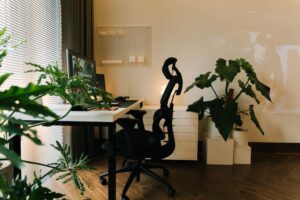

Creating a workspace at home that feels both relaxing and productive can significantly improve the quality of your workday and your overall well-being. Whether you’re working remotely full-time or occasionally from home, a thoughtfully designed environment helps you stay focused and reduces stress. In this post, we’ll explore practical tips for crafting a calming home office that supports your mental and physical health while boosting productivity.
Why a Relaxing Workspace Matters
A cluttered or uncomfortable workspace can increase frustration and distraction. On the other hand, a well-organized and inviting environment encourages focus and makes working more enjoyable. When your workspace feels calm and welcoming, it’s easier to enter a productive mindset and maintain energy throughout the day.
Choosing the Right Location
Find a Quiet, Dedicated Space
Pick a spot in your home where you can focus without frequent interruptions. If possible, dedicate a separate room as your office. If space is limited, choose a quiet corner away from busy areas like the kitchen or living room.
Consider Natural Light
Natural light can improve mood and energy levels, so try to set up your workspace near a window. Position your desk to avoid glare on your screen but still benefit from daylight.
Furniture and Ergonomics
Invest in a Comfortable Chair
A good office chair supports your posture, reducing the risk of back and neck pain. Look for adjustable chairs that offer lumbar support and comfort for long periods of sitting.
Use a Functional Desk
Choose a desk size that fits your equipment and allows you to organize essentials within easy reach. Standing desks or adjustable desks can add flexibility, letting you switch between sitting and standing throughout the day.
Organize Cords and Equipment
Keep cables tidy to avoid clutter and potential hazards. Use cable organizers or clips to maintain a neat setup and make your workspace visually pleasing.
Personalizing Your Space
Add Calming Elements
Incorporate items that bring you peace and focus, such as plants, soothing artwork, or a small water fountain. Studies show that greenery can reduce stress and improve air quality.
Keep This Simple and Meaningful
Personal touches should enhance relaxation, not distract you. Select a few items that inspire motivation or calmness without overwhelming your desk area.
Lighting and Ambiance
Layer Your Lighting
Combine natural light with adjustable task lighting to reduce eye strain. Desk lamps with warm light settings create a cozy atmosphere while helping you concentrate.
Minimize Noise Distractions
If noise is a problem, consider noise-cancelling headphones or white noise machines to create a peaceful backdrop for work.
Maintaining Organization and Cleanliness
Declutter Often
A clean workspace reduces mental clutter and increases focus. Set aside a few minutes each day to tidy your desk and file away papers.
Use Storage Solutions
Drawers, shelves, and containers help keep supplies organized. Label storage if needed to quickly find what you need without distraction.
Incorporate Break Areas and Movement
Create a Space for Breaks
If your office is large enough, have a comfortable chair or small area away from your desk where you can relax during breaks. This separation helps your brain switch off work and recharge.
Include Movement in Your Routine
Set reminders to stand, stretch, or walk briefly every hour. Adding small breaks improves circulation and reduces physical tension.
Manage Technology Mindfully
Minimize Digital Distractions
Close unnecessary tabs and silence non-urgent notifications to maintain focus. Use apps or settings designed to limit distractions during work blocks.
Use Technology to Your Advantage
Tools like timers, task management apps, and calendars can help you stay organized and on schedule without overwhelming your workspace.
Final Thoughts
Designing a relaxing home workspace is a key step toward improving both productivity and well-being. By choosing the right location, investing in ergonomic furniture, adding personal yet calming touches, and maintaining organization, you create an environment that supports focus and reduces stress. Remember to take regular breaks and manage technology use mindfully to keep your energy levels high throughout your workday. With these tips, your home workspace can become a place that inspires both comfort and success.